It’s 2016, and you’re wandering around the neighborhood at dusk. On the prowl, you’re swiping on a smartphone to catch that elusive Snorlax and grow your collection in Pokémon Go. You, alongside hundreds of millions of other players, are enjoying a mixed-reality game built around lovable characters. What you don’t realize is that these scans of your environment will one day help robots navigate obstacles and interact with objects.
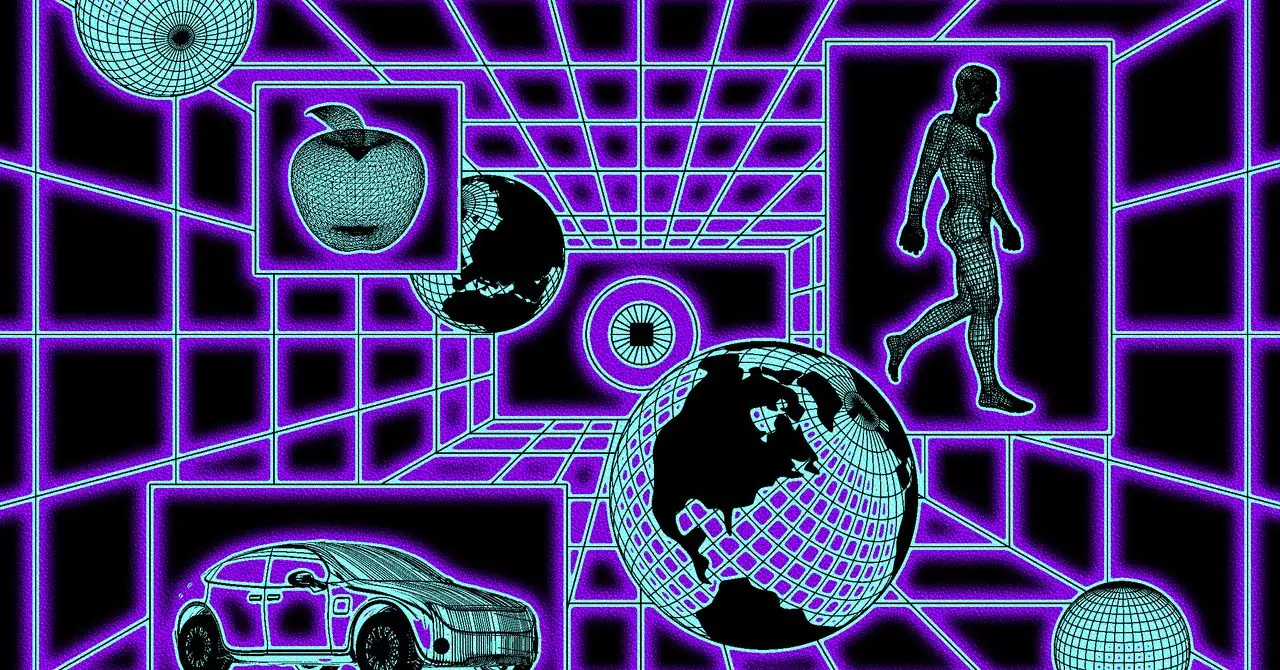
Niantic, the creator of Pokémon Go, sold the game last year and pivoted hard into one of Silicon Valley’s buzziest AI topics right now: world models. “We’re very much about reconstructing the real world,” says Brian McClendon, Niantic Spatial’s chief technology officer. He hopes to leverage its trove of world data to build replicas. Unlike the text-based nature of large language models, world models use visual inputs and can generate digital environments that simulate physics.